
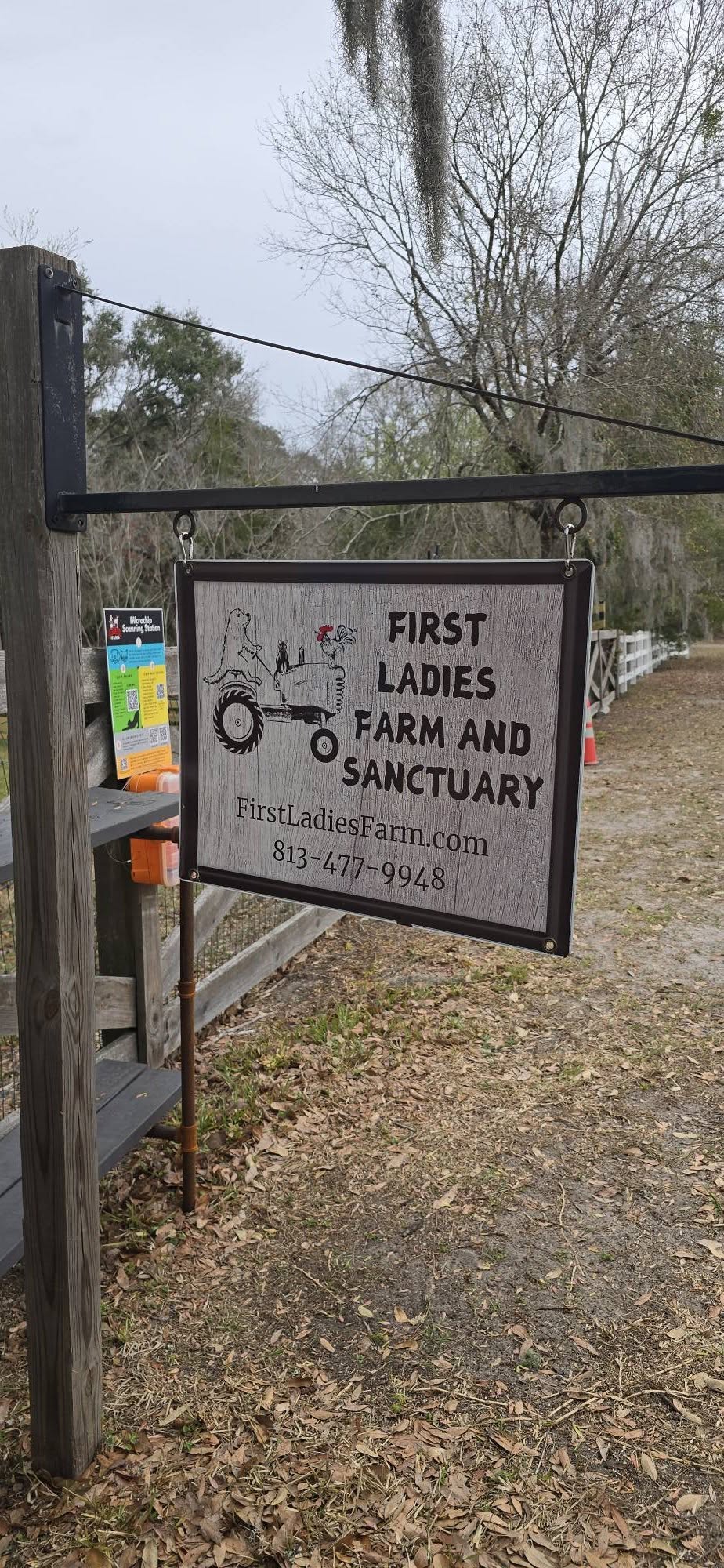
I’ve started spending part of every week at First Ladies Farm & Sanctuary, trading my laptop and meeting links for leashes, treats, and time in the kennels with some very special dogs. What began as a way to survive the loss of my beloved Penelope has become the anchor that keeps my professional life honest.
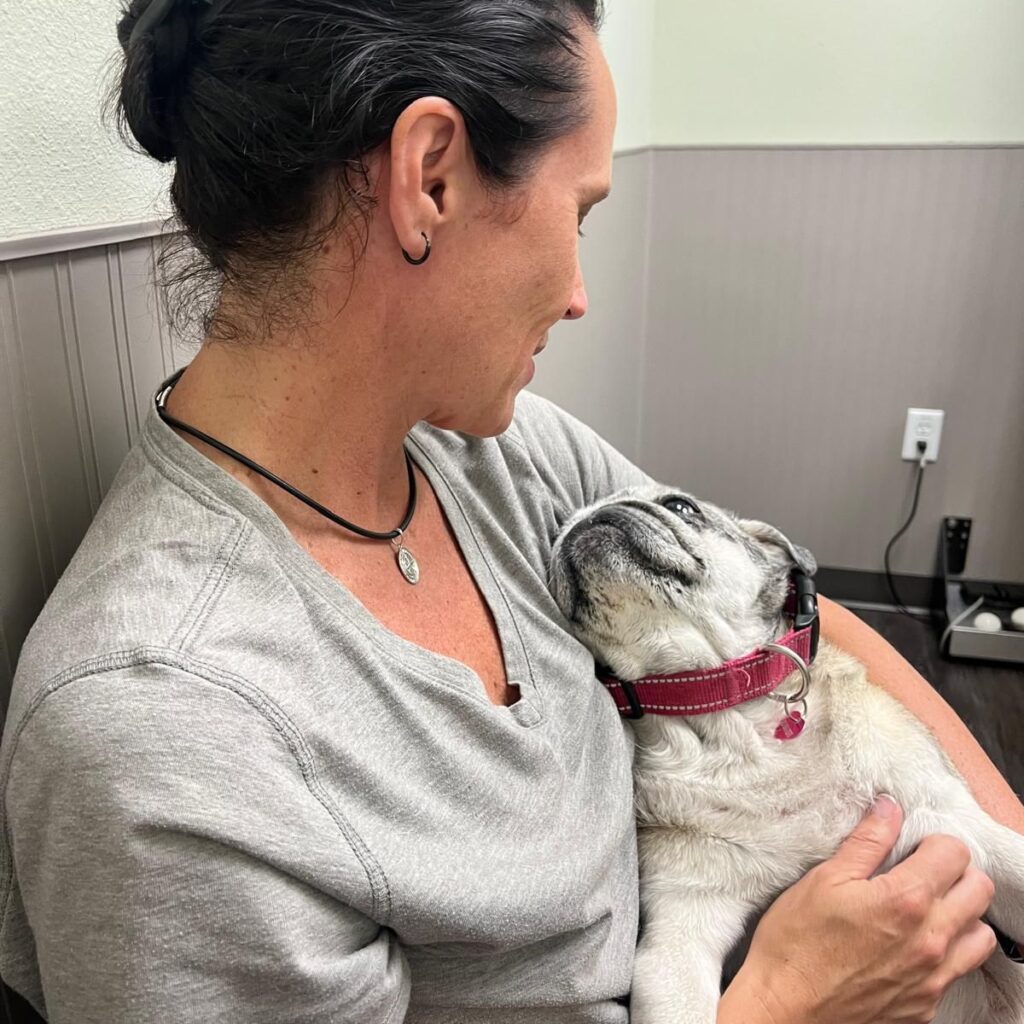
From Penelope’s absence to the farm gate
Penelope wasn’t just a pet; she was my steady co‑worker, wellness officer, and quiet companion through long digital strategy days. When she passed, I was left with a surplus of love and no obvious place to put it. Volunteering at a working farm and sanctuary gave all that emotion somewhere tangible to go: into showing up for dogs who need humans to be calm, consistent, and kind.
Now, instead of talking to Penelope between calls, I spend that energy helping dogs who are anxious, shut down, or just desperate for a little one‑on‑one attention. In each of them, I see a bit of the resilience she taught me.
Life in the kennels
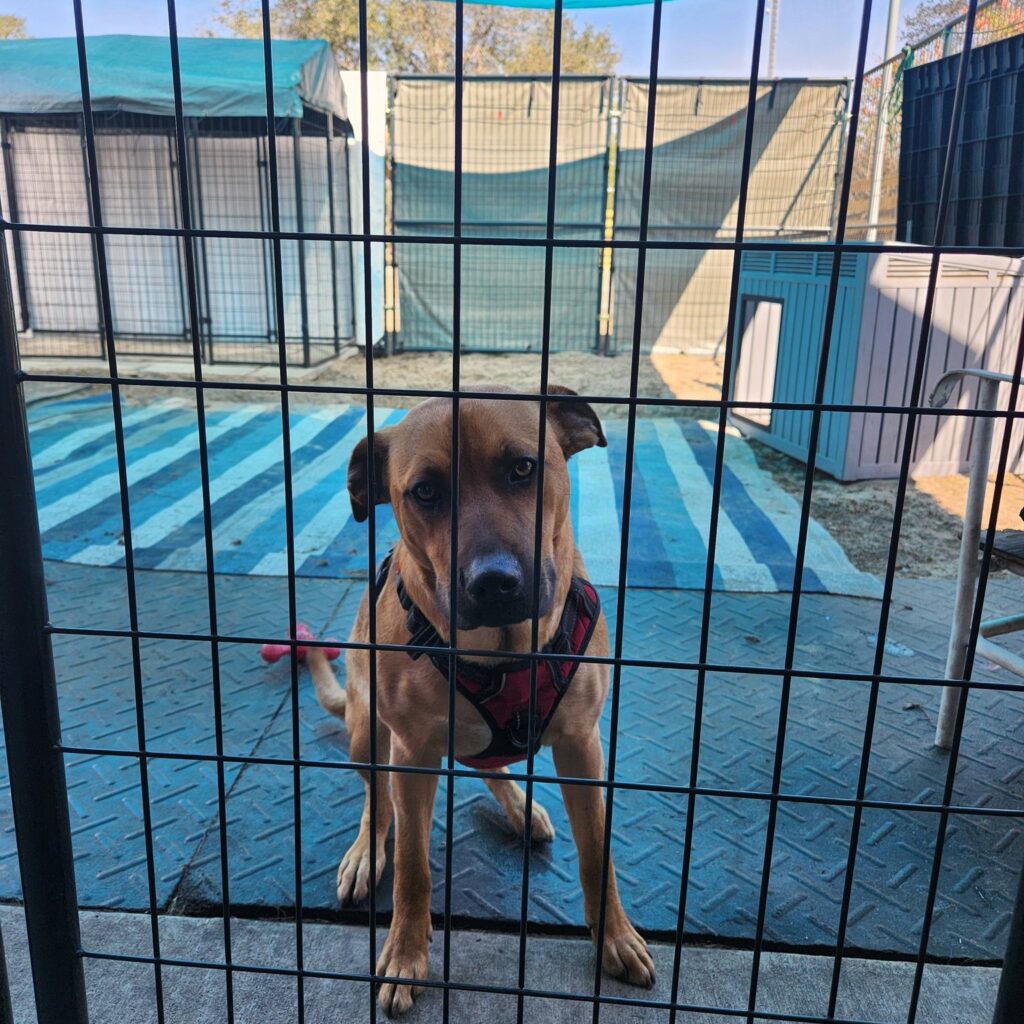
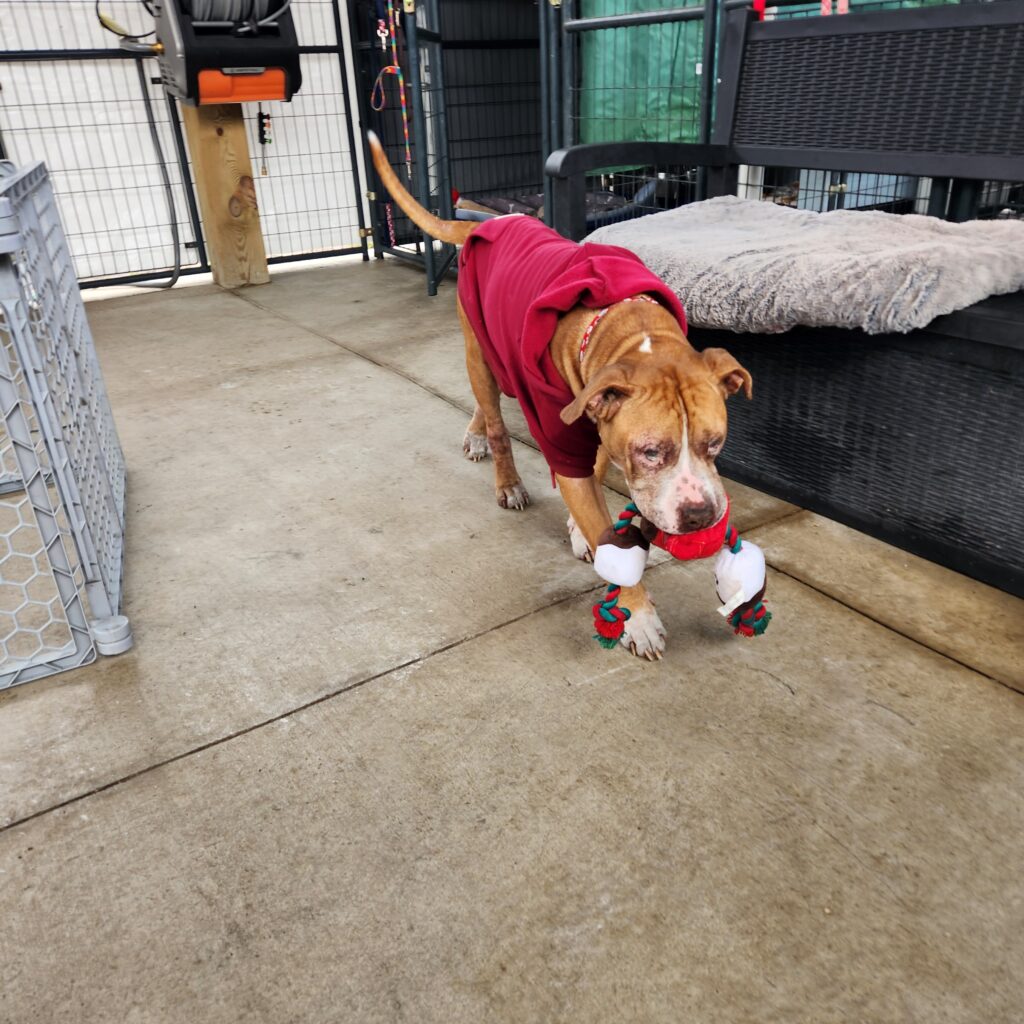
First Ladies Farm is home to many species, but I’ve chosen to focus my weekly time specifically on the dogs. That focus lets me build real relationships, notice small behavioral changes, and I hope to become a reliable, familiar human in their world.
On a typical volunteer day, my “to‑do list” looks more like this:
- Cleaning kennels so the dogs have a hygienic, comfortable space to rest.
- Refreshing water and food, and making sure each dog actually eats.
- Walking dogs, giving them exercise and a change of scenery.
- Sitting quietly with nervous or high‑energy dogs to help them regulate and relax.
- Working on basic manners—calm sits, polite leash walking, gentle introductions—so they’re more adoptable.
If the farm team needs me to jump in elsewhere, I absolutely will; this place runs on people who are willing to do what’s needed. But for now, my primary commitment is to the dogs, and I’m intentionally keeping my energy concentrated there.
How getting dirty is sharpening my professional edge
On paper, I’m a digital & SEO strategist. In reality, my best ideas rarely arrive when I’m staring at a screen. They show up when I’m pacing the property with a dog who finally stops pulling, or when a previously shut‑down dog leans into me for the first time.
This dog‑focused farm time is making me better at my job in ways I didn’t expect:
- Presence: Dogs don’t accept half‑attention. If I’m distracted, I miss subtle signals—tension on the leash, a turned head, a stress yawn. That full attention is now showing up in client conversations and strategic thinking.
- Prioritization: In the kennel, some tasks can wait while others can’t. A messy report can be fixed later; a dog without water cannot. That clarity is changing how I triage projects during the workweek.
- Perspective: After spending a morning helping a fearful dog take even one tiny step forward, an intense email thread or last‑minute deck change feels solvable rather than overwhelming.
Focusing on the dogs has also reminded me why I care about communication in the first place: translating fear into trust, confusion into clarity, chaos into something calmer.
The ongoing challenge: protecting the time
The hardest part of this practice has never been the work itself; it’s been protecting the time it requires. My professional reflex is to say yes—to meetings, to “quick chats,” to last‑minute calls that inevitably land in my volunteer window. If I’m not deliberate, the dogs lose to the calendar.
So I’ve made some rules for myself:
- The dog‑volunteering block lives in my calendar as if it were a critical client meeting. It is not “nice to have”; it is a standing commitment.
- If someone asks for that slot, my default answer is, “I’m not available then, but I can do earlier or later,” and I let that boundary stand.
- Internal calls move before the dogs do. If something has to budge, it isn’t the time I’ve committed to these animals.
This isn’t always comfortable. There are weeks when saying no or asking to reschedule feels risky. But every time I hold that line, I’m reminded that boundaries aren’t a luxury; they’re a leadership skill. Ironically, by protecting unpaid, dog‑filled time, I’m becoming more focused and effective during the paid hours.
What the dogs are teaching me
Every visit with the dogs teaches me something I can’t get from a slide deck or a webinar:
- Consistency builds trust. You can’t rush a fearful dog into feeling safe. You show up, again and again, and let them set the pace.
- Small steps count. A dog taking a treat for the first time, walking calmly for thirty seconds, or lying down near you instead of in the corner—these are tiny wins that add up.
- Regulation is contagious. When I slow my breathing and my energy, the dogs feel it. The same is true in tense meetings and high‑stakes presentations.
Volunteering in Penelope’s honor means my grief doesn’t just sit still; it goes to work. For now, that work looks like leashes, kibble, and kennel runs. One day, it may expand into other parts of the farm. But at this moment, I’m exactly where I need to be: on the ground, with the dogs, letting them shape the kind of human and professional I’m becoming.
How You Can Join the Journey from Survival to Safety
If you’ve read this far, you already understand why this place, and these dogs, matter so much. First Ladies Farm & Sanctuary is doing quiet, relentless, beautiful work every single day: you can learn more about their mission and their residents at https://firstladiesfarm.com/ and follow along on Facebook at https://www.facebook.com/firstladiesfarm.
Even if you can’t physically be there—because of geography, health, time, or life—you can still be part of their story: donate if you’re able, share their posts when animals are looking for homes, amplify their needs when they ask for supplies, fosters, or adopters. Not everyone can walk a dog on a Friday morning, but all of us can help move a few more animals from survival to safety, and from safety to the love they deserve.